


Tenerife - The island of endless springs
Interesting facts, my experience and recommandations!
TRAVELING
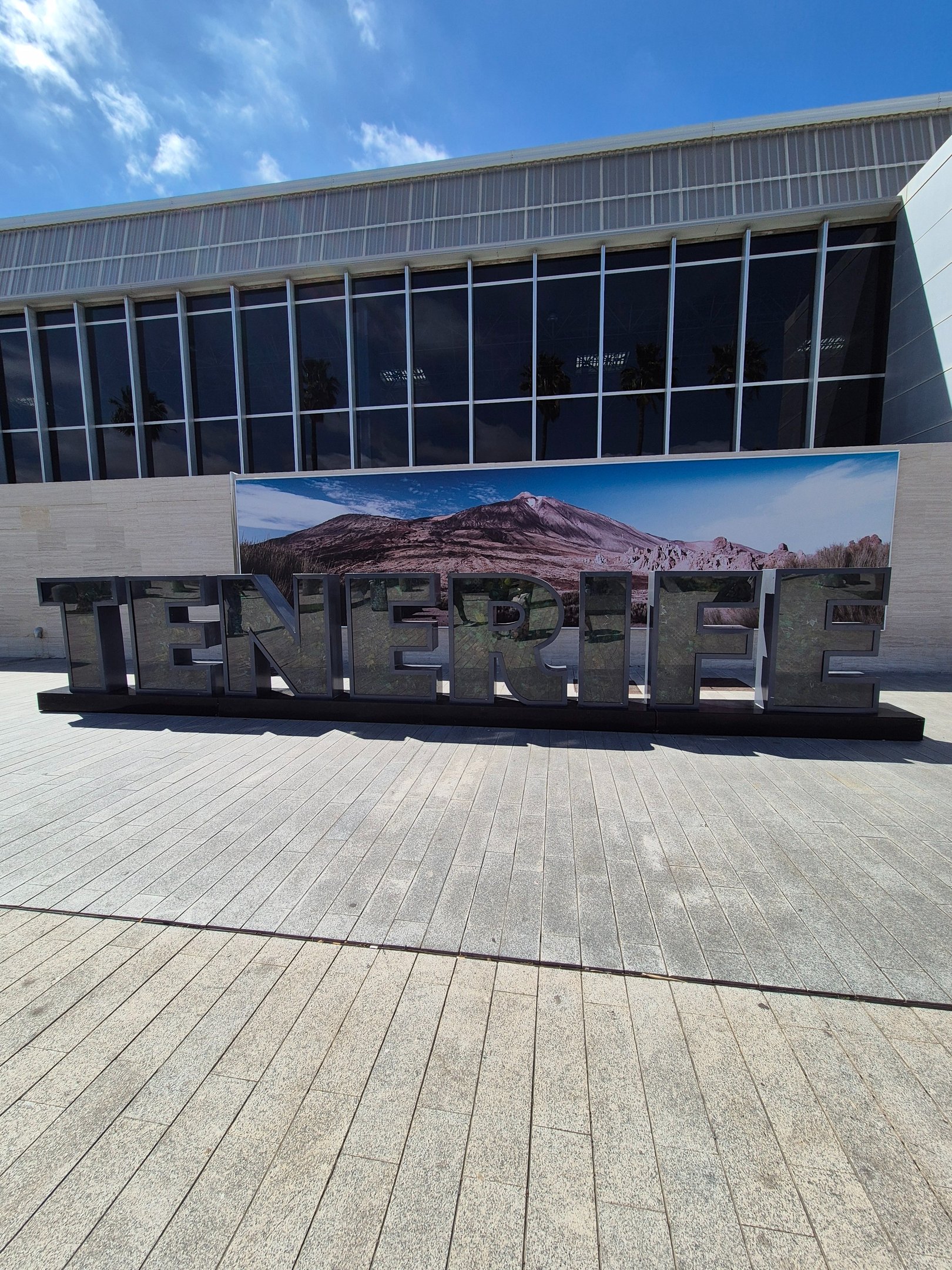
At the end of April 2026, I ventured into another adventure with two friends, namely to the island of Tenerife. It is one of the eight Canary Islands and, with 2,034 km², even the largest of them. Due to its large size, there are many exciting things to discover at the same time!
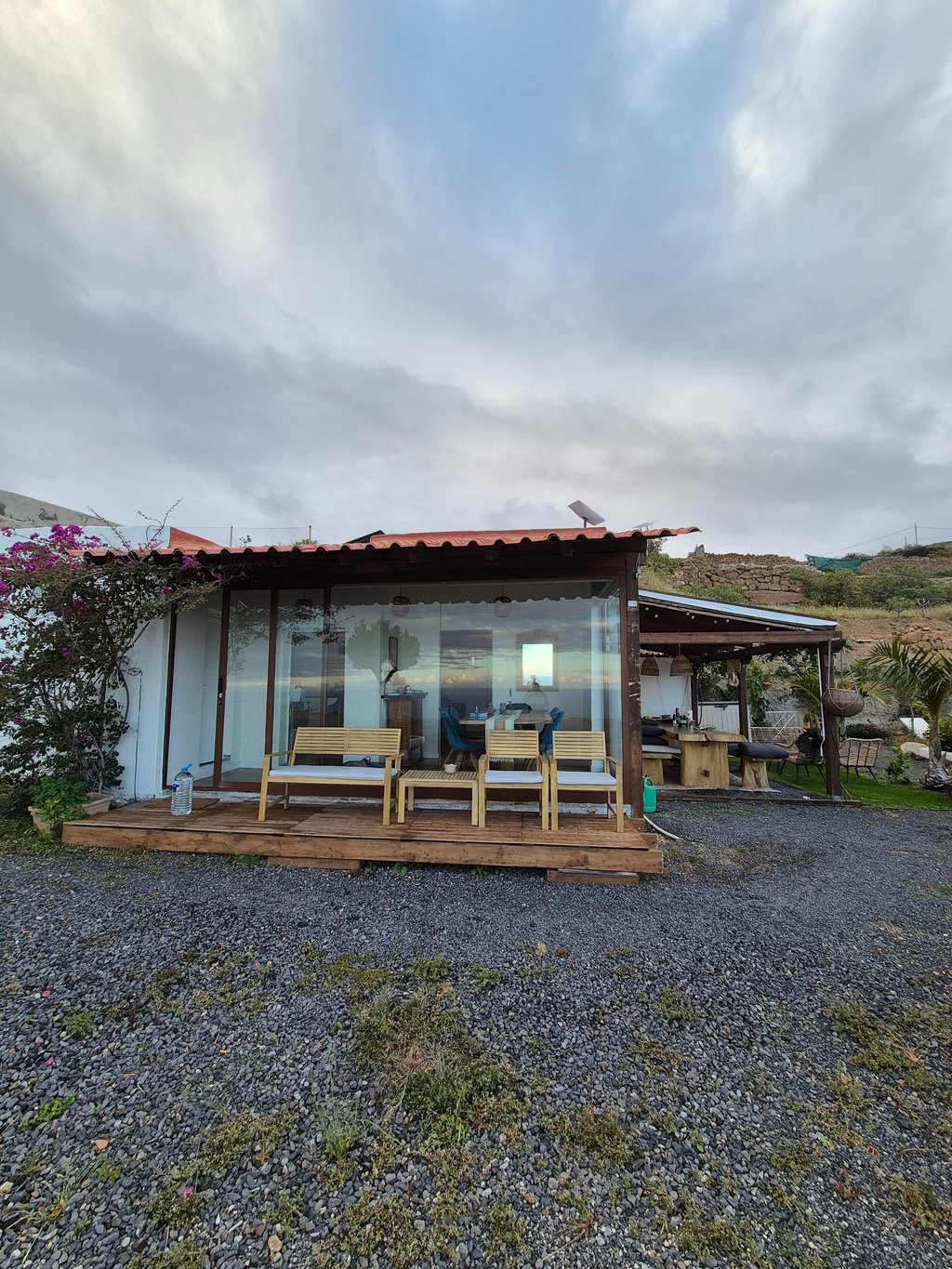
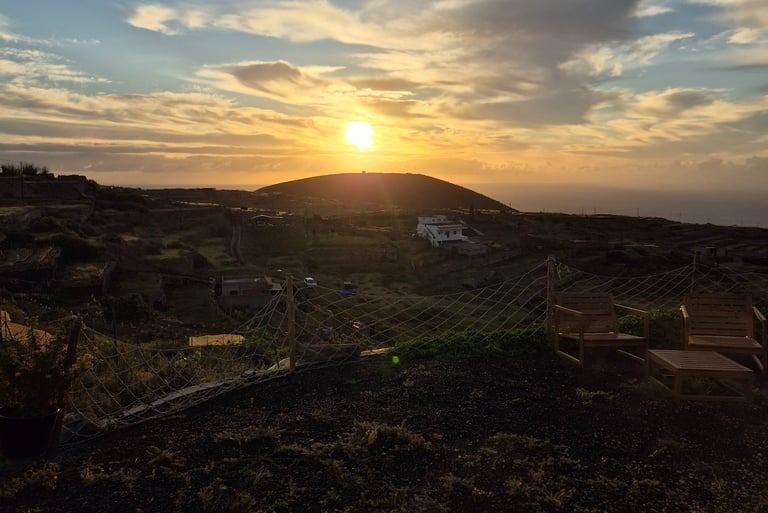
As accommodation, we had booked an Airbnb in the heart of Tenerife, high up on one of the many mountains with a view of the vast eastern horizon. This gave us the opportunity to observe breathtaking sunrises in the morning.
We booked a rental car in advance from the provider Cicar. Besides Cicar, there are also several other providers offering either cheaper prices or different insurance conditions. In terms of price-performance, we were very satisfied with Cicar, because for €180 (7 days) we even had fully comprehensive insurance coverage.
One thing that was not included was coverage for underbody damage as well as leaving the island by ferry. I mention both points explicitly because there are some unpaved roads on Tenerife and there is the possibility of island hopping via ferry. Therefore, anyone who would like to visit several islands with the same car and has enough time should ideally inform the provider of this intention directly at the counter. This way, the contract conditions can be changed without any problems; otherwise, the rental price can increase by up to 100%.
We also briefly had the idea of taking a spontaneous day trip to Gran Canaria and contacted customer support – they then referred us back to the counter at the airport. We did not take this detour and instead stayed on Tenerife for the entire time.
Preparation – What should I bring with me in May?
Travel documents (for EU citizens, an identity card is sufficient)
Credit card (Visa or Mastercard is recommended, because in some places my debit card did not work!)
Travel first-aid kit in case you become ill while travelling
Swimwear, snorkel, diving mask, sunscreen for the sunny beach days
Camera, Polaroid, or simply your phone camera to capture the great moments
As a rule, T-shirts and shorts are sufficient during the day, but in some areas (and especially in the evening) it can become quite cold, with temperatures dropping to as low as 5°C
For nighttime activities and the mountain hike, I recommend a knitted jacket or rain jacket
What you can experience on Tenerife:
Playa de las America and markets
Unique Nature
The Ghost Town Abades
Pyramids of Guimar
Masca
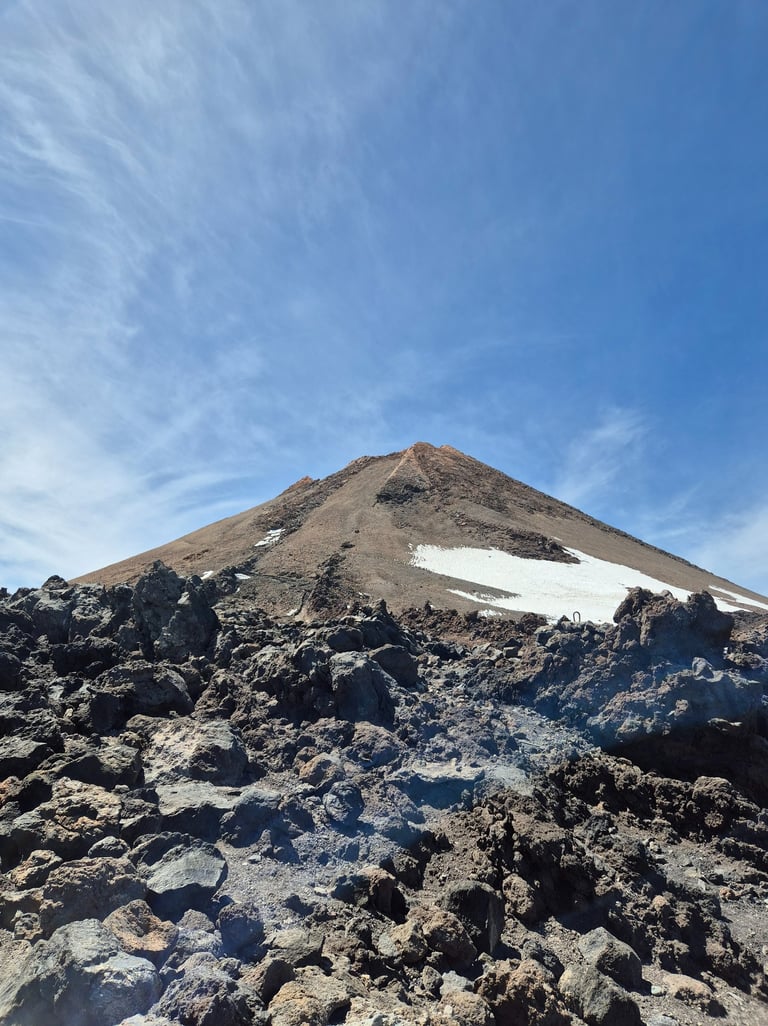
Teide
But what would a holiday be without a proper souvenir? Perhaps another magnet for the fridge at home or maybe a colourful bracelet? On Tenerife, there are various flea markets on certain days of the week that sell all kinds of things. So, if you are looking for souvenirs, you should definitely plan a trip to the Mercadillo Los Cristianos, because you will most certainly find what you are looking for there! It is open on Tuesdays and Sundays from 9 a.m. to 2 p.m. Besides jewellery and souvenirs, you can also find the classic things here such as clothing, care products, bags, and much more.
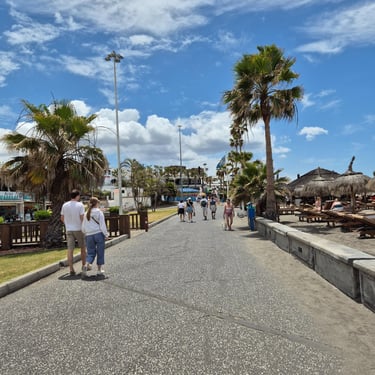
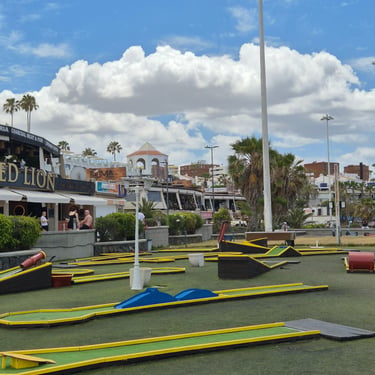
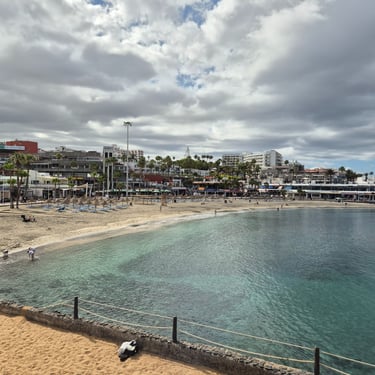
Playa de las Américas & Markets
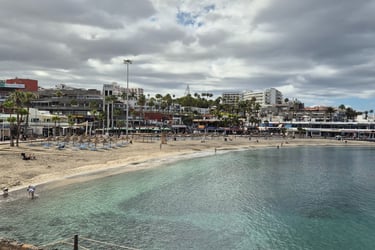
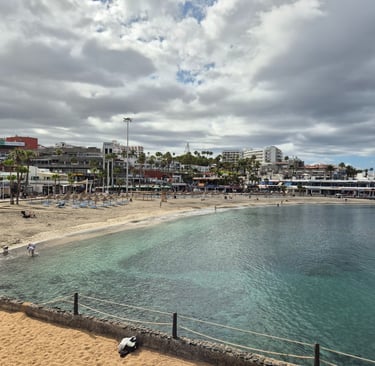
Playa de las Américas is a party district and stretches for around 4 kilometres along the southwestern coast of Tenerife. During the day, you can visit shops of all kinds here; from popular branded clothing stores to small restaurants, there is something for everyone. If you are not in the mood for shopping, you can book a boat tour here or simply relax on a sunbed at the beach. Right in the heart of the beach, there is also a small mini-golf course, which we were, of course, able to resist. Those who would rather get to know the nightlife are also in good hands here. There are many bars and restaurants that open towards the evening. Due to our schedule, however, we were not able to test this somewhat different party hotspot at night.
Unique Nature
Did you know that Tenerife has several climate zones on a single island? This makes it one of the most ecological and diverse islands in all of Europe.
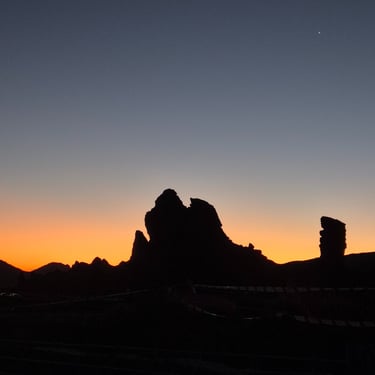
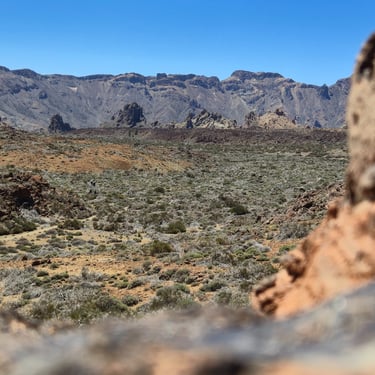
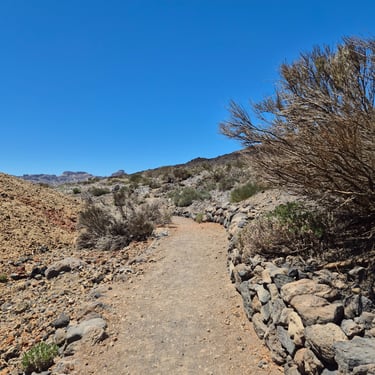
For example, at the very top of the Teide plateau, you are welcomed by a steppe-like volcanic landscape, shaped by thousands of years of Earth's history. Once you are up there, you are surrounded by huge rock formations, lava fields, and craters. It is as if you were in a different movie.
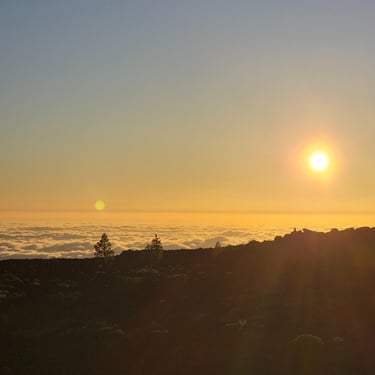
Let's briefly come to a small fun fact on the side: Did you know that this scenery was used for the production of Star Wars Episode III: Revenge of the Sith? With the setting sun on the horizon, the sky began to glow in orange-yellow colours, and from that moment on, you know: Now I have arrived on Mustafar, or rather Kashyyyk.
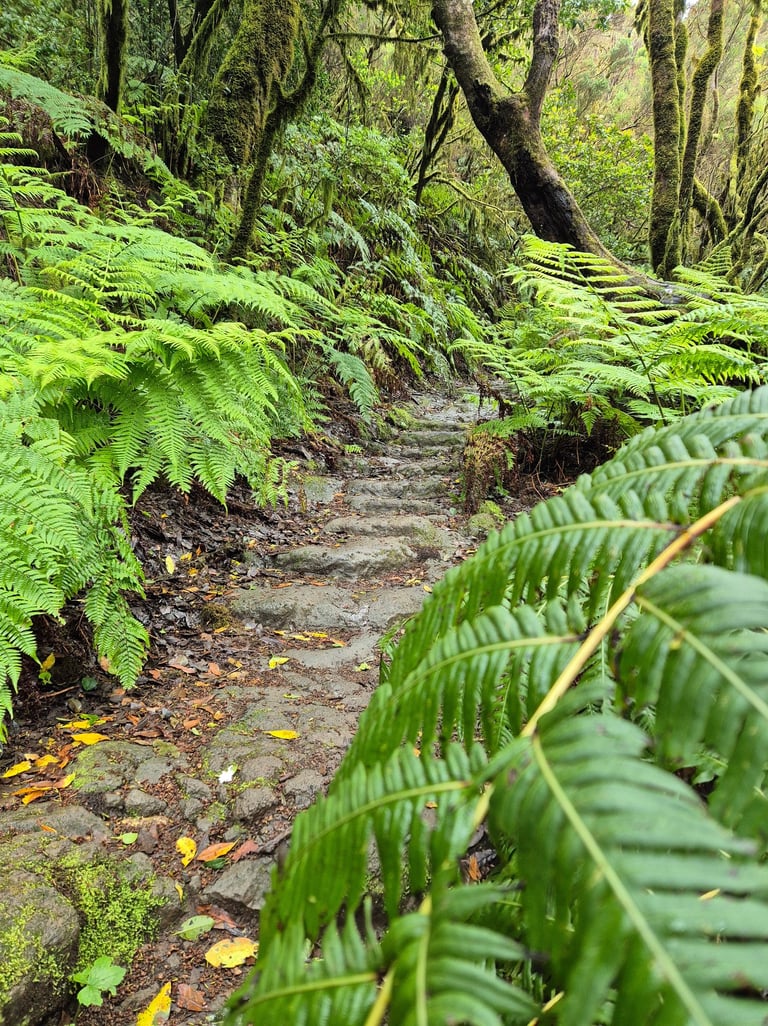
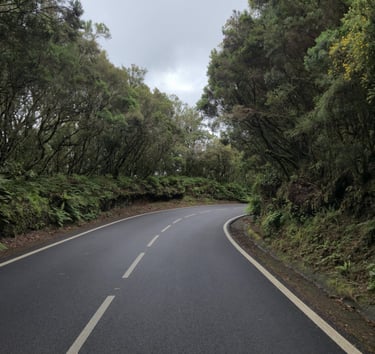
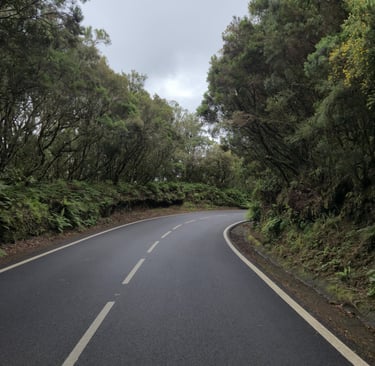
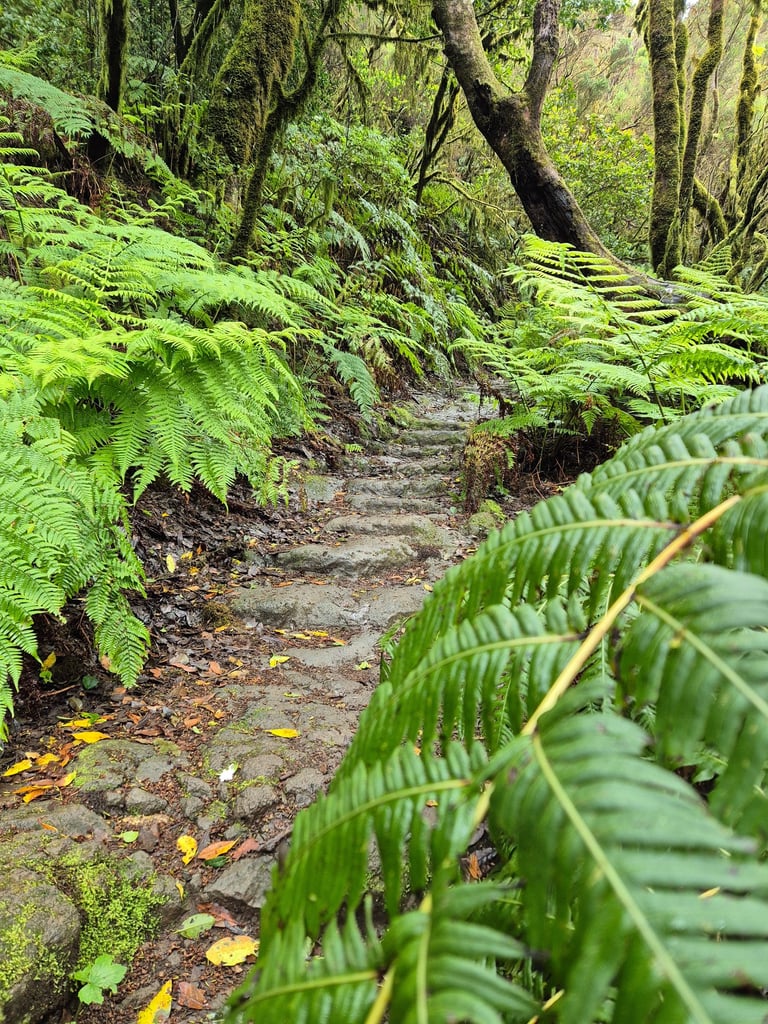
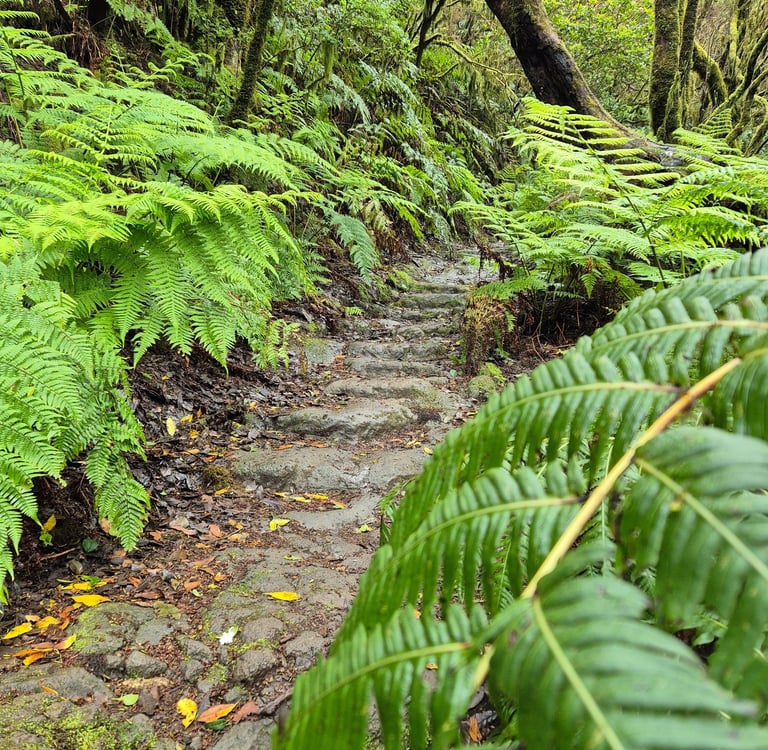
Another climate zone crossed our path in the north of Tenerife. The closer we got to the Anaga Forest, the higher the humidity became. Hardly had we stepped out of the air-conditioned car when we found ourselves in a kind of rainforest. The place invites you to explore it on foot. However, it is difficult to reach the main hiking trail because it is accessed via winding and twisting roads. Instead, there is the possibility of using inconspicuous forest entrances with wooden staircases along the roadside.
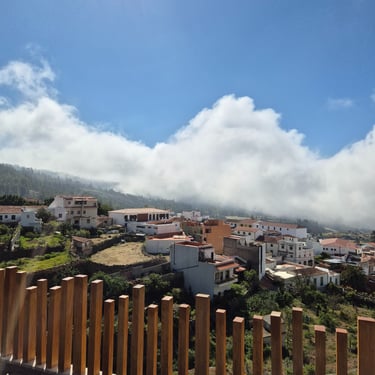
We spent a good hour here and let the impressions of the unique nature sink in: ferns and moss as far as the eye can see. Surrounded by laurel trees, some of which were partially wrapped in clouds. If you are now wondering whether dangerous animals lurk there as well, I can reassure you, because there are neither snakes nor venomous spiders anywhere on the island.
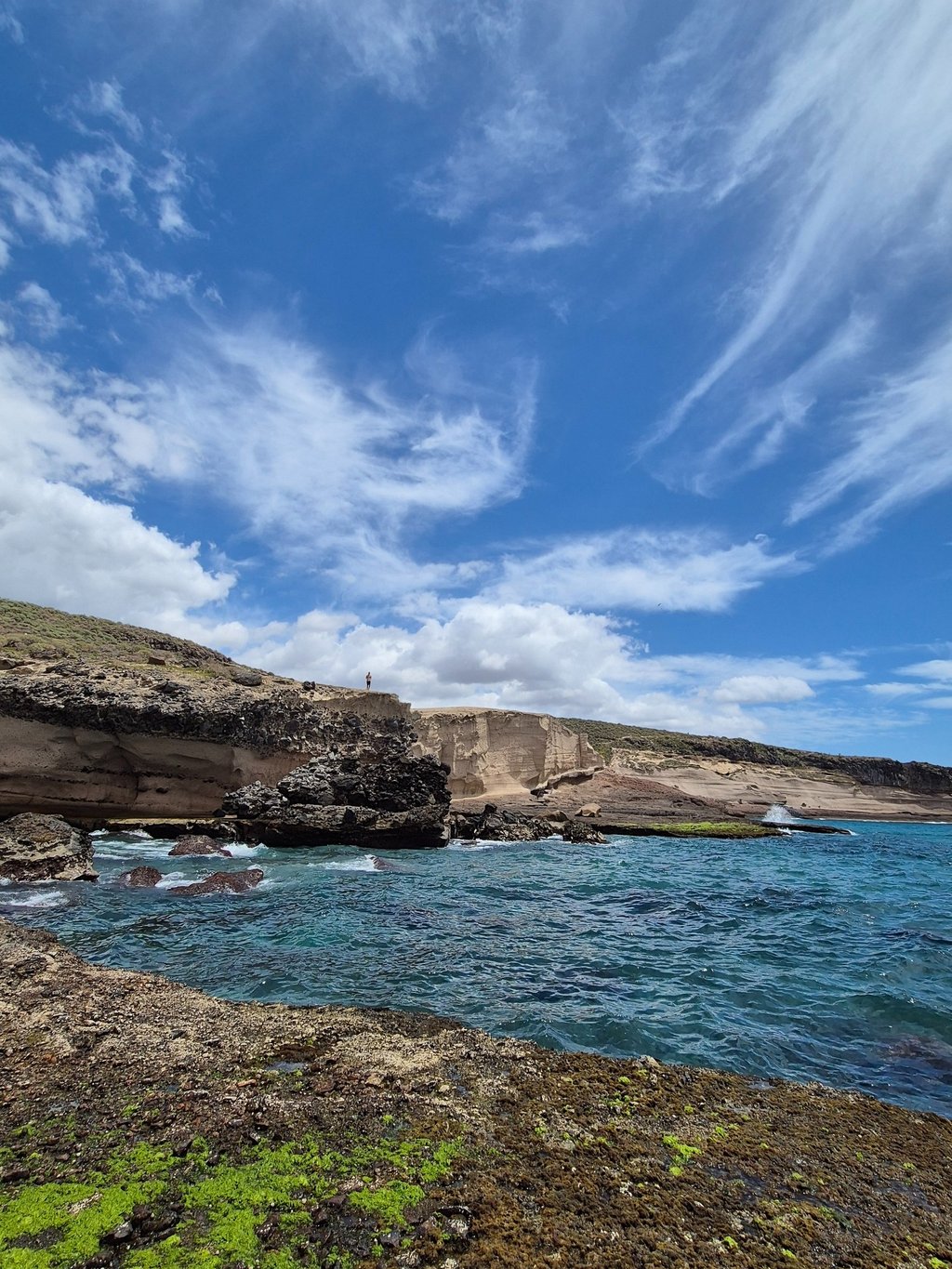
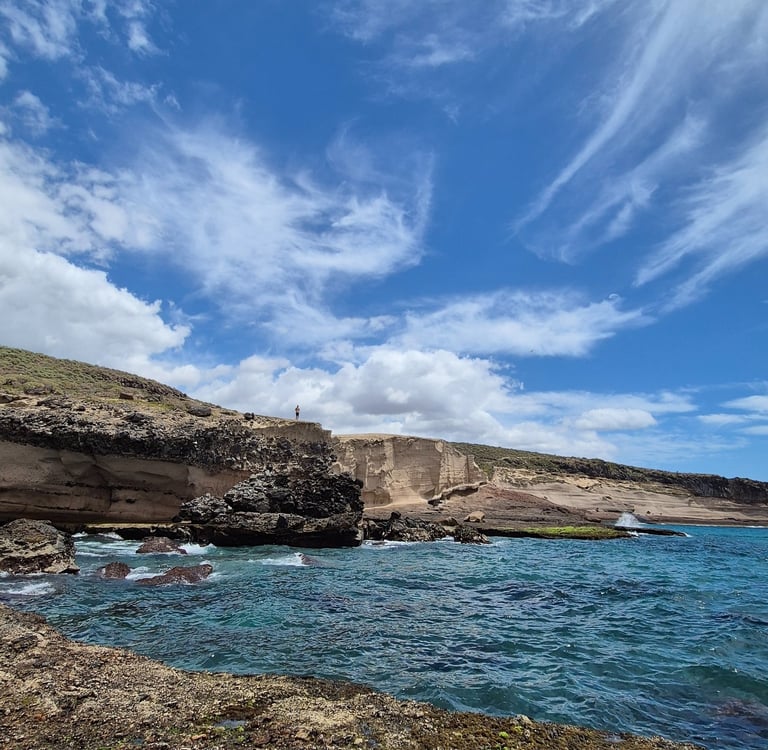
An island holiday without beaches? Of course, they could not be missing from our trip either. As the name Playa de las Américas already suggests, there is a beach there which is often overcrowded with tourists during the high season. Therefore, we looked around for something a little more remote and found Playa de Diego Hernández. Up on a cliff, you can park your car there free of charge, after which it is about a 1 km walk downhill to the beach.
As we noticed, this black-sand beach appeared relatively small from a distance and had already been occupied by a few people. Therefore, we decided on a rather rocky section where we sunbathed and went swimming.
In May, the waves were quite strong and, due to the Canary Current, Portuguese man o' wars can occasionally drift towards the islands. On the seabed, a small weever fish could also make sure that your foot hurts like hell afterwards. Therefore, you should definitely inspect the water carefully for these hazards beforehand and, if necessary, wear water shoes before jumping in.
I did not wait long before jumping into the salty Atlantic Ocean. As I quickly realised, the waves were really not to be underestimated, which is why I returned to land again after only a short time.
What Actually Happened Here?
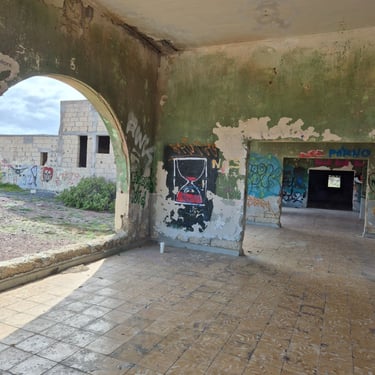
After a short bit of research, it turned out that this town was built in the 1940s for people suffering from leprosy, in order to relocate them away from densely populated cities. There were not only hospitals here, but also crematoriums and residential buildings.
At the same time as construction was taking place, medical progress was being made in the fight against leprosy, causing the original purpose of the project to lose all necessity and remain unused.
Later, the Spanish military used the site as a military area for decades until its use was discontinued in the year 2000.
The Ghost Town of Abades
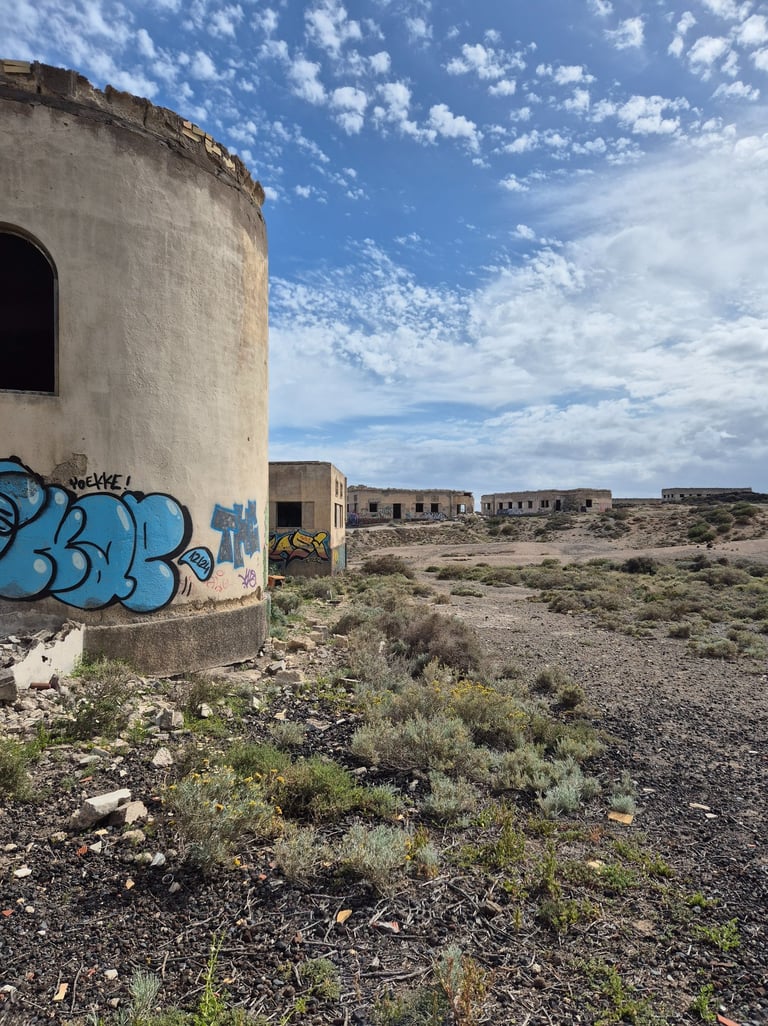
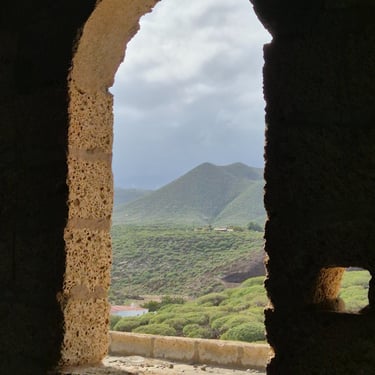
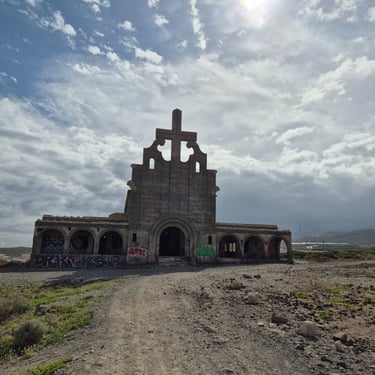
There we were, walking along Playa de los Abriguitos towards a lighthouse, when we spotted an abandoned town in the distance. At its edge stood a church that immediately caught the eye. The place in question is the ghost town of Abades.
The town can be reached both by car and on foot from the beach, and it is even possible to camp with a car along the entire beach. We chose the route on foot, which took around 20 minutes before we reached the entrance to the town.
As soon as we arrived, one question came to mind: why is this town abandoned? Perhaps because of possible flooding? Or does it maybe even have mythical origins? A walk through the town would later provide us with the answer.
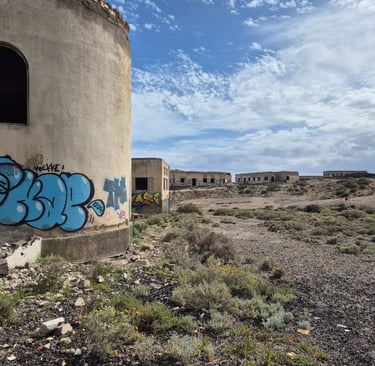
We explored the area and walked through several buildings. What immediately stood out were the spacious sanitary facilities and the large rooms designed to accommodate multiple people. Destroyed roofs, collapsed walls, and graffiti shaped the appearance of the town.
If you followed the main route, you eventually arrived at what was probably the largest structure in the town: the church. At the entrance, you were greeted directly by a crucifix, and on the side there was a spiral staircase leading to the second floor.
Can you already guess why this town is abandoned?
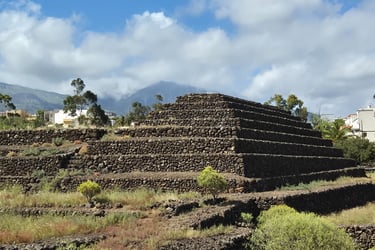
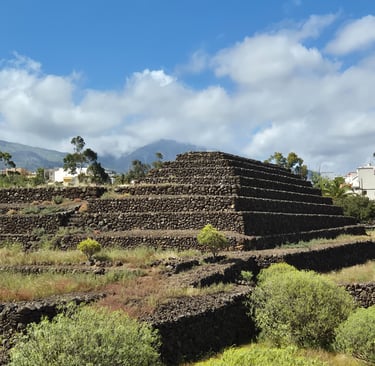
The Pyramids of Güímar
How crazy is that, there really once were pyramids on Tenerife?
Scattered all across the Canary Islands are step-like stone structures that resemble pyramids. Thor Heyerdahl, a Norwegian researcher, made it his mission to find out whether there could have been a connection between the indigenous people of Tenerife and ancient seafaring cultures. This would explain how these structures came to the island.
To demonstrate that long ocean crossings were already possible back then, he built functioning boats using only the simplest technology. With this, he wanted to prove that transatlantic exchange must already have been possible at that time. Ultimately, this would be a theory that could explain why pyramids exist not only in Egypt, but also in Mexico and Peru.
The Pyramids of Güímar are located in the southern part of the island and are a kind of museum about pyramids. Admission costs around €20 per person, and the site can be explored both indoors and outdoors. Additional topics include environmental pollution, the history of the Guanches, the colonisation of the Canary Islands, and finally also poisonous plants.
Personally, I can recommend this museum to anyone who is interested in the culture and history of the Canary Islands and pyramids.
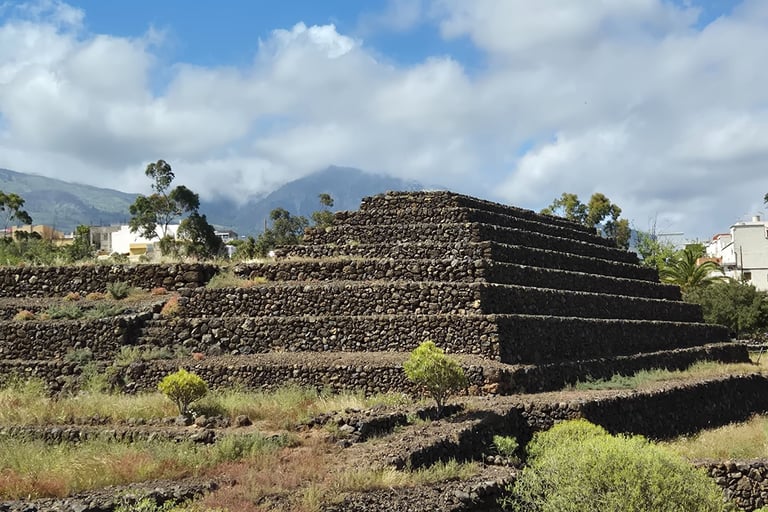
Anyone who takes the time to read through the many information panels in the museum will learn that the so-called pyramid visible in the outdoor area is unfortunately not a real pyramid at all. Archaeologists now assume that these stone structures are the result of agricultural stone accumulations.
The indigenous people of Tenerife, the Guanches, reached the islands from Africa by sea routes. However, the art of seafaring was lost over the centuries, causing the individual peoples of the Canary Islands to become isolated from one another. Therefore, it is considered unlikely that the Guanches themselves were responsible for the construction of these stone structures.
Instead, the indigenous people were known for their cave paintings and mummification practices. With colonisation, the era of the Guanches came to an end in the 15th century. Based on current archaeological understanding, these pyramids may actually have been stone accumulations dating back to the 19th century.
Masca – The Hidden Mountain Village
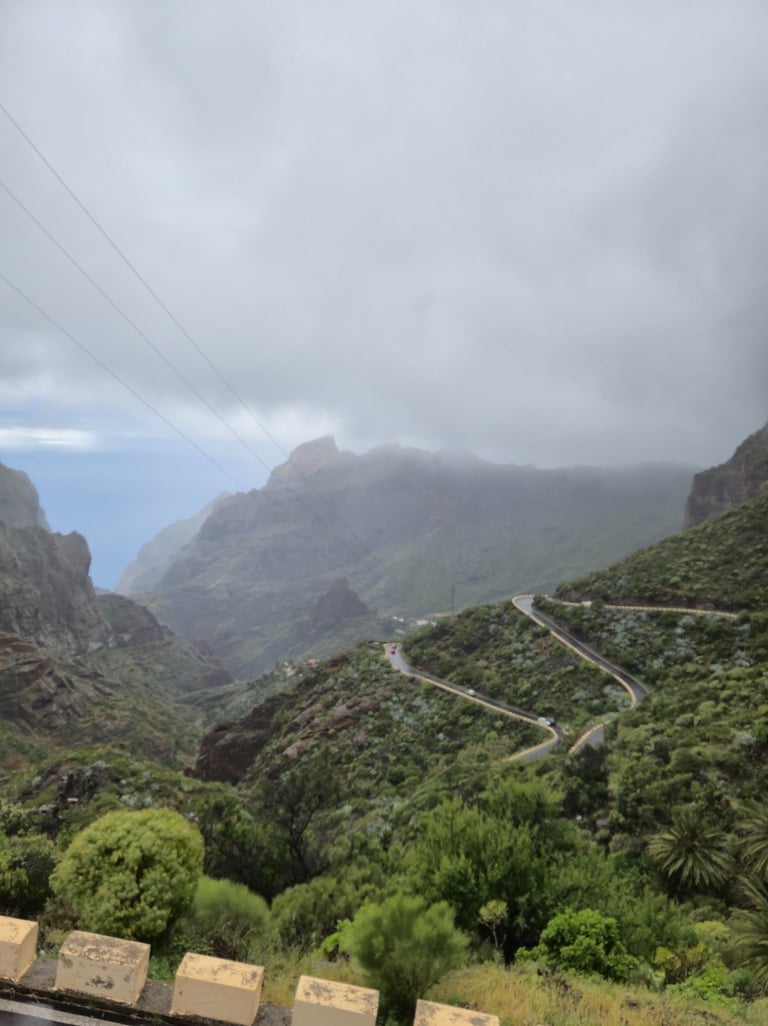
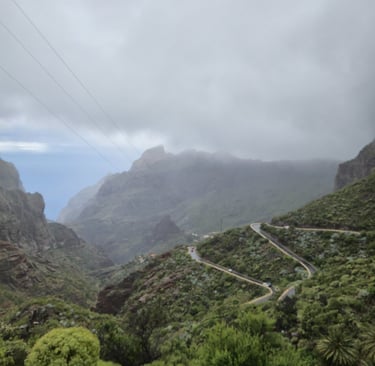
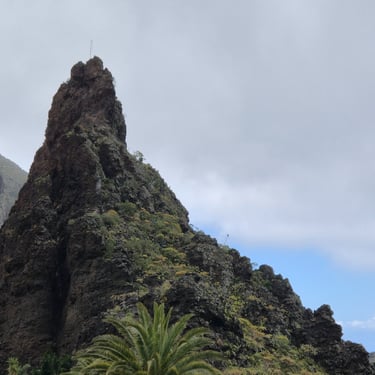
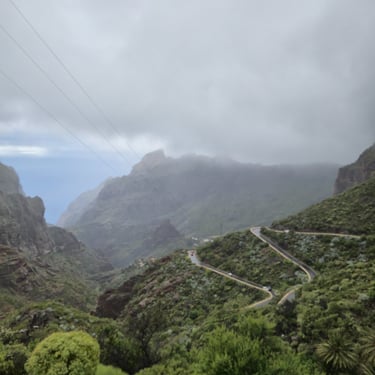
Masca, a beautiful village high up in the mountains, is home to only around 90 residents who live in their traditional stone houses. The journey there by car is exhausting and, with its bends at an altitude of 650 metres and oncoming traffic, definitely not for the faint-hearted.
Very often, I had the feeling that I might damage the car, because the roads were narrow and the bends could not be seen through. However, once you arrive at the top, a tourist hotspot awaits you with a view of a rock formation at the end of the village.
Depending on the weather conditions, it can become quite foggy here, which is caused partly by the rainforest and partly by the low-hanging clouds.
There is also a hiking route to the village starting from "Santiago del Teide", which takes approximately 4–5 hours. It is important to mention at this point that, since our visit, access restrictions have been introduced for the hike and a reservation is required.
So, if you have enough time, you can follow the route on foot like some hikers do, because this is how the original inhabitants of the village, the Guanches, used to do it.
We booked the stargazing tour as well as a cable car ride to the summit. At night, when the stars gradually begin to appear, it becomes quite cold up on Teide, with temperatures dropping to around 5°C in May. Therefore, anyone deciding to join the stargazing tour should dress warmly.
The tour started about 20 minutes away from the viewpoint, where we drove together in a convoy behind the tour bus. On the way there, we were able to watch the sun disappear beyond the horizon until eventually the entire sky began to darken.
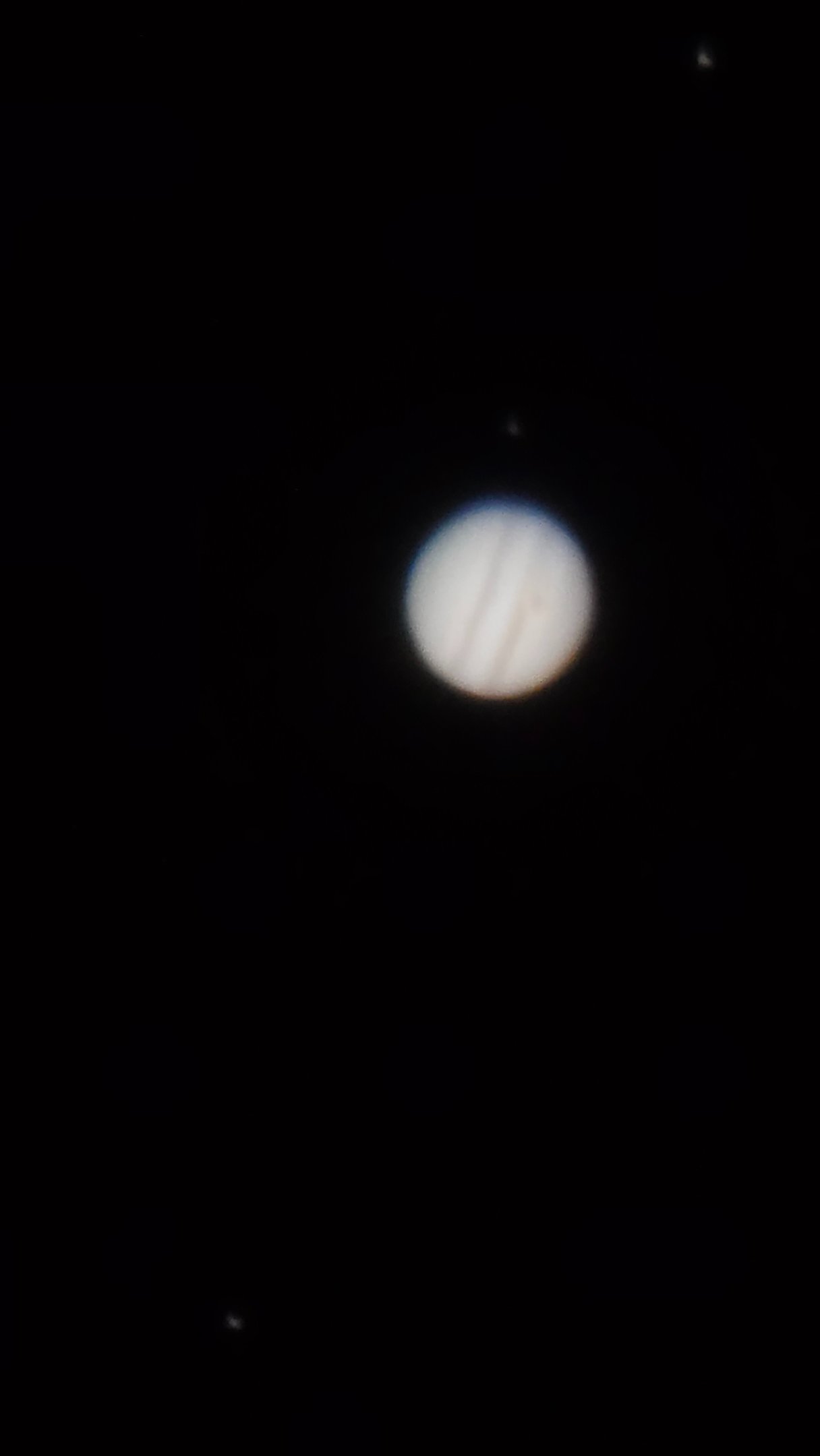
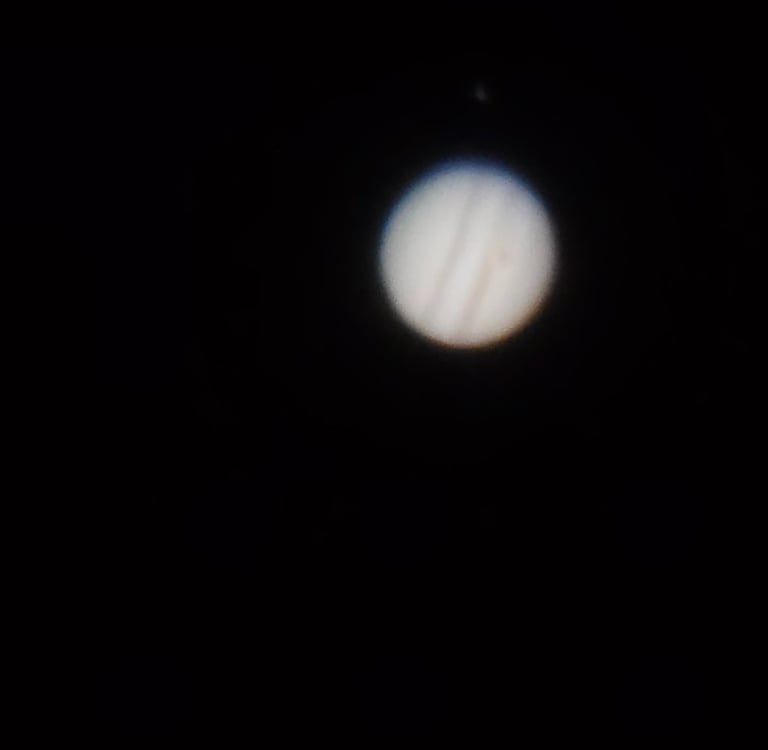
Once we arrived at the meeting point, there were six telescopes aimed at different planets in our solar system. The tour guide shared fascinating facts about the planets and the constellations. However, it became colder and colder as time went on, which eventually led us to leave the tour earlier than planned. Quite simply, we had not packed for those temperatures.
Nevertheless, it was a wonderful experience and absolutely worth it!
Teide
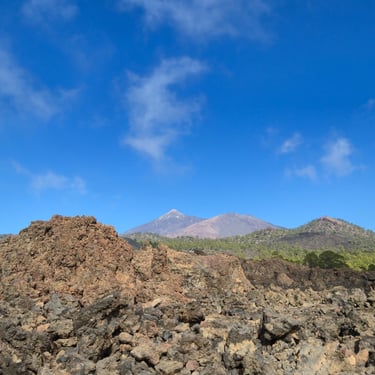
When flying to the island of Tenerife, you are already greeted above the clouds by a monumental mountain: it is Teide with its 3,715 metres. This mountain was the absolute highlight of our trip and is a must-see for every visitor to the island.
You can easily plan several days on the mountain, because depending on your mood, there are various tours available both through GetYourGuide and on-site: stargazing, quad tours, and hiking trips.
This mountain not only invites you to hike through the pine forests, the endlessly vast lava fields, or the savannah-like national park during the day, but also reveals its majestic side towards the evening. Sunsets above the clouds and a clear starry sky are simply waiting to be experienced.
Anyone who would like to head up to Teide in the evening can also do so without a guide or tour. However, the highest parking area is closed from the evening onwards, meaning alternative parking spots further down in the valley must be used instead.
In addition, never leave the designated paths, because rangers patrol the entire national park at all times of the day. It can become quite expensive if you get caught.
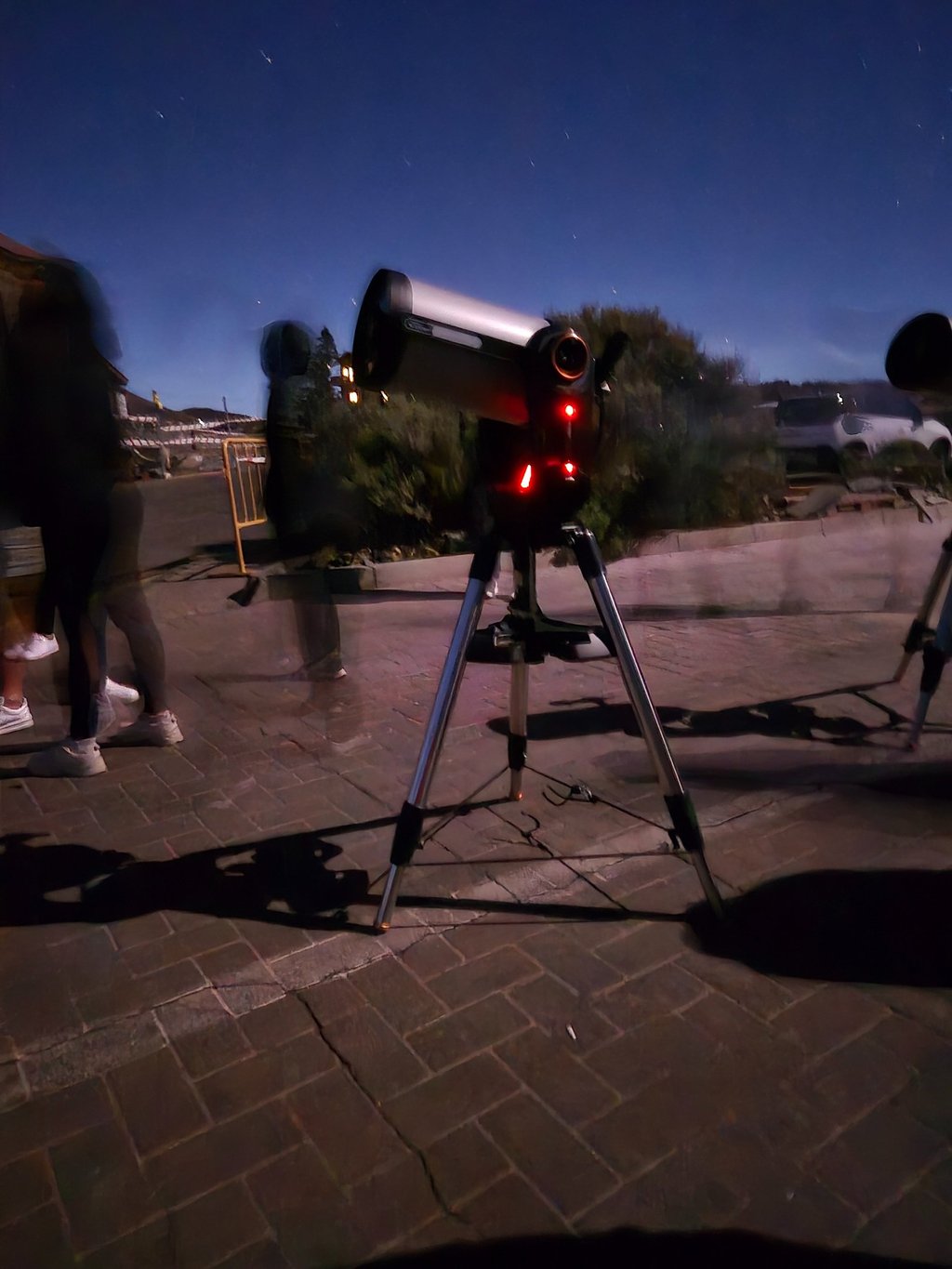
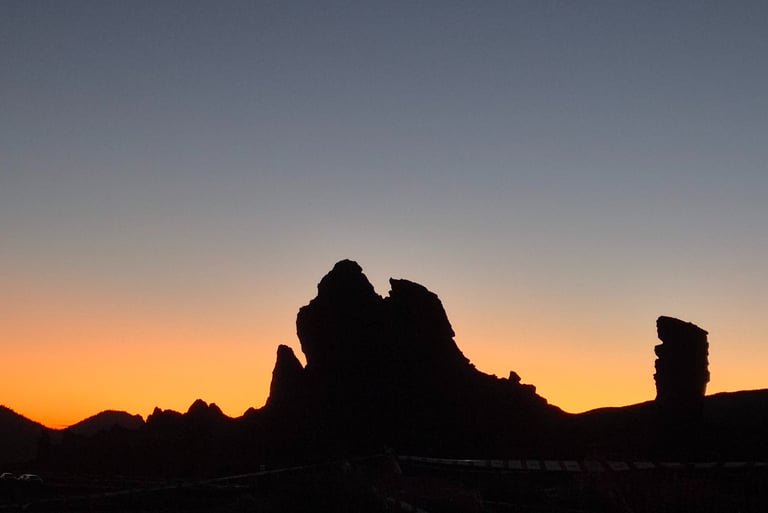
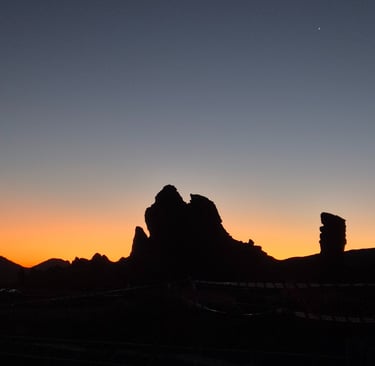
Perhaps some of you can recognise which planet I discovered here?
Tenerife impresses not only with its towering mountain, but also with its diversity. From its various climate zones to its challenging hiking routes, there is something for everyone.
Personally, I can recommend this holiday destination to anyone looking for smaller adventures while also enjoying more relaxed excursions from time to time. Beach holidaymakers may get slightly less value here, but the island more than makes up for it with its nature and culture.
And if you are a little more flexible with your time, I would definitely recommend trying island hopping. After all, the other Canary Islands surely have plenty to offer as well!
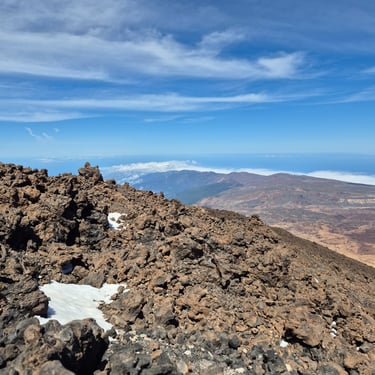
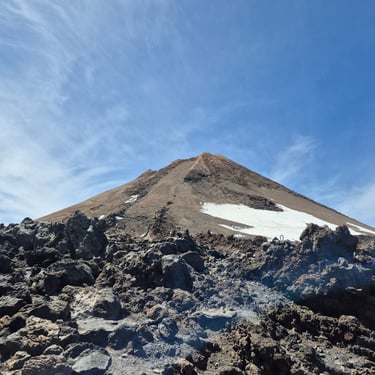
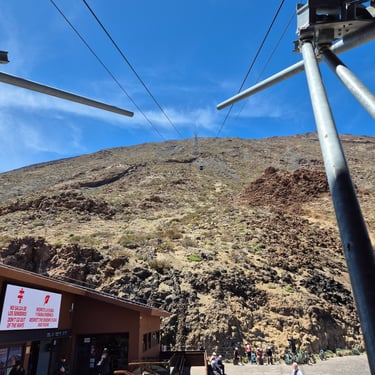
The second tour on Teide was the trip to the summit of the mountain. For this, you should ideally book a ticket for the cable car the day before. Once at the top, you have one hour to enjoy the view from 3,500 metres above sea level.
Unfortunately, the short hiking trail to the volcanic crater was closed to visitors at the time of our visit and could only be used by residents or with a permit costing around €135. But that was not too bad, because we were already busy dealing with the low oxygen levels in the air and instead enjoyed the beautiful view.
Never miss a post by subscribing to my newsletter! :)